
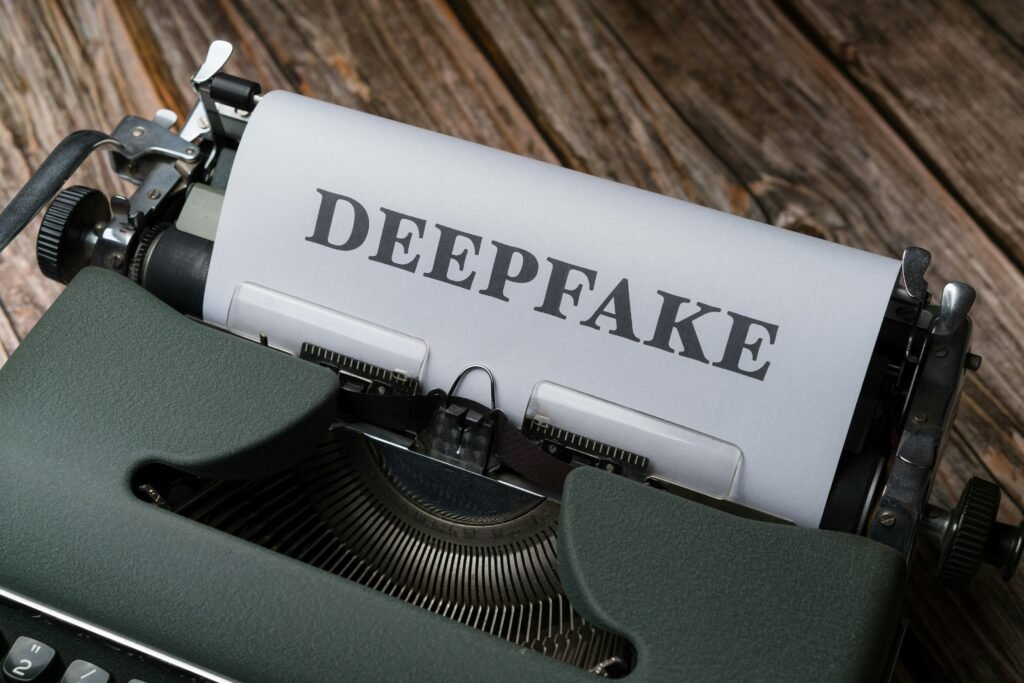
Introduction to Deepfakes
Deepfakes, originating from a fusion of “deep learning” and “fake,” represent a profound application of artificial intelligence, specifically in the realm of machine learning. This technology allows for the creation of hyper-realistic videos where the likeness of an individual can be digitally inserted into existing footage. It results in a seamless replication that can sometimes be indistinguishable from reality. The advent of deepfake technology has seen significant advancements in recent years, becoming a major concern for individuals and institutions alike.
The core of deepfake AI lies in its ability to analyze and synthesize human faces and voices by utilizing extensive databases of audiovisual data. Consequently, prominent figures, celebrities, and even ordinary individuals can find themselves at the center of manipulated content. This can lead to a host of ethical and legal implications. Instances of deepfake scams have emerged. They pose threats not only to personal reputations but also to national security. This highlights the urgent need for effective measures against this phenomenon.
Furthermore, advances in technology have facilitated the rise of deepfake videos. Skilled developers and amateurs now use them. With platforms readily available to generate deepfakes, users must know how to spot them. For instance, individuals might look for subtle inconsistencies in facial movements, audio sync issues, or abnormalities in the image quality that could signal misleading content.
As deepfake examples, such as the infamous deepfake Tom Cruise videos, circulate on social media, they serve as crucial reminders of the real-world implications of this technology. As our understanding of deepfake voice clips and videos continues to evolve, society must be prepared to tackle the challenges they present. Particularly, we have to ensure that individuals can recognize and respond to such synthetic media appropriately.
How Deepfake Technology Works
Deepfake technology represents a significant advancement in the field of artificial intelligence and machine learning. Specifically, employing Generative Adversarial Networks (GANs) can make realistic fake videos and audio. The fundamental mechanics of deepfakes hinge on the dual components of GANs: the generator and the discriminator. The generator crafts fake content, while the discriminator evaluates its authenticity compared to real data.
The first step in creating deepfake videos involves gathering a considerable amount of data from various sources, such as images and videos of the target individual. This data serves as the training material for the neural networks that power the GANs. The scale and quality of this dataset significantly influence the realism of the produced deepfake. Once the training begins, the generator creates fake videos, attempting to mimic the real person’s appearance and voice. Concurrently, the discriminator assesses each output for discrepancies against genuine video samples, progressively refining the generator’s models.
This continual feedback loop is responsible for the increasingly lifelike qualities that characterize deepfake videos. Neural networks are central to this process, as they can analyze vast amounts of visual and audio information to identify patterns and simulate features accurately. Beyond mere visual manipulation, deepfake voice technology incorporates algorithms that map an individual’s speech patterns and inflections, further enhancing the realism of the audio component. As GANs evolve, the outputs they produce can become nearly indistinguishable from reality, which raises significant concerns surrounding misinformation and deepfake scams.
As the technology behind deepfakes continues to improve, understanding how to spot a deepfake becomes crucial. Utilizing deepfake detection tips is essential for discerning reality from fabricated scenarios, especially in an era where deepfake videos can easily mislead the public.
The Rise of Voice Cloning
In recent years, the advent of deepfake technology has made significant strides, particularly in the domain of voice cloning. Voice cloning technology utilizes artificial intelligence and deepfake AI algorithms to replicate an individual’s voice with terrifying accuracy. This technology is gaining immense popularity across various sectors, including entertainment, customer service, and even finance.
In entertainment, voice cloning allows for exciting innovations such as creating realistic voice-overs for animated characters or dubbing foreign films without losing the original nuances of the actor’s voice. In customer service, companies are adopting deepfake voice technology to personalize interactions, making conversations with AI bots feel warmer and more human-like. However, the issue escalates when this same technology is misused, as seen in deepfake scams targeting unsuspecting victims.
The rise in voice cloning is closely intertwined with the increase in deepfake scams, which notably impact vulnerable individuals. Scammers can easily impersonate the voices of trusted figures, such as a family member or a bank employee, leading to manipulation and deception. This technology can fabricate convincing scenarios where victims are coerced into divulging sensitive information or transferring funds based on the authenticity of the cloned voice.
Given this alarming trend, it becomes crucial to understand how to spot a deepfake, especially when it comes to deepfake voice instances. Awareness of deepfake detection tips can empower individuals to identify the nuances that give away a voice clone, such as inconsistencies in tone or context. For instance, a deepfake video example might show a familiar voice making statements that feel out of character or too scripted.
The rise of voice cloning brings not just advancements but also significant ethical concerns, warranting a collective effort to devise methods for recognition and prevention of deepfake-related threats.
Understanding Grandparent Scams
Grandparent scams are a specific form of fraud that takes advantage of the emotional connection between grandparents and their grandchildren. These scams typically involve a call from a person posing as a grandchild in distress, claiming they need immediate financial assistance. The scammers exploit the natural inclination of grandparents to help their loved ones, often leading them to make hasty financial decisions without verifying the situation.
One of the modern methods employed in these scams is deepfake technology, particularly deepfake voice cloning. This technology allows scammers to create audio that convincingly mimics the voice of the targeted grandchild, making the fraudulent call appear more authentic and, consequently, more convincing. The utilization of deepfakeAIi in such scenarios has significantly heightened the effectiveness of these scams, as victims are more likely to trust a voice that sounds exactly like a family member’s.
A notable real-life example of this occurred when a grandmother received a call from someone who sounded just like her grandson. The caller claimed he had been arrested and needed bail money. Relying on her emotional connection and the voice’s authenticity, she swiftly transferred a significant sum, only to discover later that her grandson was perfectly fine. This instance vividly illustrates how deepfake voice technology can manipulate emotions and elicit immediate responses, often resulting in severe financial losses for unsuspecting victims.
Detecting these scams requires vigilance. Understanding how to spot a deepfake can aid individuals in recognizing the signs of deception. Tips for spotting a deepfake include listening for unusual speech patterns or discrepancies in the narrative provided. Scammers often lack specific details that only the real person would know, which can serve as a crucial indicator. By educating oneself about deepfake scams and utilizing proper detection methods, individuals can protect themselves from falling victim to this modern menace.
Visual Red Flags to Spot a Fake
As deepfake technology becomes increasingly sophisticated, it is essential to equip ourselves with the skills necessary to identify potential fakes. There are key visual indicators that can help viewers discern the authenticity of deepfake videos.
One primary area to focus on is the facial movements of individuals in the video. In an authentic human interaction, motions such as blinking, mouth movements, and facial expressions are usually subtle yet complex. Deepfake AI models often struggle to replicate these intricacies convincingly. For example, a deepfake might exhibit a stiff or unnatural expression, failing to align the person’s emotional state with their micro-expressions, leading to an uncanny and less credible portrayal.
Lighting inconsistencies represent another visual red flag. Authentic videos possess uniformity in lighting that interacts naturally with the environment and subjects. When analyzing deepfake videos, examine the lighting on the face compared to the background. If the lighting appears off—too harsh or too soft—it may indicate artificial manipulation. For instance, a deepfake video might show a well-lit face against a darker background, causing a stark contrast that is typically absent in natural footage.
Additionally, pay attention to the backgrounds of deepfake videos. Exceptional techniques in deepfake technology might generate convincing facial substitutions, but the background often lacks coherence with the actions taking place. Look for signs of mismatched depth perception or pixelation. An obvious indication of a deepfake is a distorted or poorly integrated background that does not complement the individual’s movements. This disjointedness can be a powerful hint that the video has undergone alterations.
Through careful observation of facial movements, lighting conditions, and background consistency, viewers can effectively spot the deepfake and combat potential deepfake scams.
Audio Red Flags to Spot a Fake
As deepfake technology continues to advance, audio cues become critical in identifying fraudulent media. A common approach employed by deepfake AI involves generating synthetic speech that closely resembles real human dialogue. However, several irregularities often signal that an audio clip may not be genuine. Recognizing these red flags can significantly enhance one’s ability to spot the deepfake.
One key area to listen for is irregularities in speech patterns. Deepfake voice generators sometimes struggle to replicate the nuances of natural speech, leading to odd pacing or inconsistent inflection. If a speaker’s tone appears disjointed or robotic, it serves as a critical indicator that the audio may have been manipulated. Moreover, unnatural pauses can prove telling. Human speech is characterized by fluid transitions; prolonged or atypical gaps might suggest that the audio has been edited or generated rather than authentically recorded.
Another red flag involves mismatched audio quality. In a deepfake video example, you may encounter situations where the quality of the audio does not align with the visible context. A clear disparity in sound fidelity can arise, such as studio-produced audio contrasted against a background that suggests a less formal setting. This mismatch should raise suspicions, leading the listener to question whether the audio has been synthetically produced.
For those seeking to equip themselves with detection skills, maintaining a checklist of auditory signs is beneficial. Key items might include: pay attention to unusual speech rhythm, listen for unnatural vocal tones, and check for any audio mismatches in quality and context. By honing in on these auditory clues, individuals can educate themselves on how to catch deepfakes effectively and reduce vulnerability to deepfake scams.
Implementing the Safe Word Strategy
As deepfake technology evolves, it increasingly poses challenges to our ability to discern reality from deception. One effective strategy to mitigate risks associated with deepfake videos and voice manipulations is the implementation of a “Safe Word” system. This approach offers a practical tool for both families and businesses to verify identities during phone conversations or video calls, which can be especially critical when the integrity of information is paramount.
To establish a Safe Word, it is essential first to select a term that is known only to the parties involved. This could be a unique word or phrase that is easy to remember and specific enough to avoid confusion. For example, a family might decide on a safe word like “pineapple” that would only be used in scenarios where validation is necessary. In a business setting, a more formal term such as “Eagle Eye” could serve a similar purpose—ensuring that communication remains secure.
Deepfake Technology and Safe Word Strategy
When utilizing the Safe Word strategy, all members of a family or team must be aware of the protocol. During phone calls or video conferences, if questions arise about the identity of the person on the other end or if there is a suspicion of deepfake involvement, asking for the safe word can serve as a litmus test. For example, an employee might ask their supervisor, “Can you please remind me of the safe word?”, thereby confirming the identity of the individual without exposing sensitive information to potential deepfake scams.
Incorporating the Safe Word system not only provides an added layer of verification when confronted with deepfake AI technologies but also fosters open communication within families and organizations. Educating everyone about the importance of this strategy is vital as deepfake examples become increasingly prevalent in various media. By being proactive, we can better spot the deepfakes and maintain secure interactions, safeguarding ourselves from the potential dangers posed by artificial intelligence impersonations.
Becoming a Human Firewall
In an age where artificial intelligence (AI) continues to advance, the emergence of deepfake technology presents significant challenges to our digital integrity. To combat these risks, we have to become proactive human firewalls. We need to focus on improving personal security through vigilance and education.
One of the first strategies to enhance security is educating oneself about deepfakes. Understanding what is and their potential implications of deepfake videos is crucial. Familiarizing oneself with well-known deepfake examples can help individuals recognize the sophisticated techniques employed. Moreover, staying informed about the latest developments in deepfake AI can aid in identifying new emerging techniques.
Another important measure is to develop critical viewing skills. Learning how to spot a deepfake involves analyzing key elements of video content, such as irregular facial movements, mismatched audio and visual elements, or unnatural lighting. Applying deepfake detection tips can significantly enhance one’s ability to recognize manipulated content. Additionally, employing skepticism when consuming online media, particularly from unverified sources, can prevent falling victim to deepfake scams.
Lastly, advocacy for technology literacy is fundamental. Engaging in discussions on the implications of deepfakes and actively sharing insights with peers can foster a culture of awareness. By encouraging others to learn how to catch deepfakes and recognize deepfake voice manipulations, individuals contribute to a collective effort in combating misinformation. Education defends us against the threats posed by AI and deepfake technology.
Deepfake Technology: Understanding Its Impact
Capabilities of deepfake technology continue to advance. It is imperative for individuals to remain vigilant and informed about the potential risks associated with deepfake videos and deepfake voice cloning. Throughout this post, we have examined what a deepfake is and the underlying artificial intelligence methods driving this phenomenon. Pertinent examples illustrate the sheer realism of deepfake video content, such as the infamous deepfake Tom Cruise.
Recognizing deepfakes and understanding how to spot a deepfake is crucial in today’s digital landscape, where misinformation can have significant consequences. We discussed various deepfake detection tips aimed at enabling viewers to identify manipulated media. By becoming familiar with common indicators of a deepfake, individuals can better protect themselves from falling victim to deepfake scams or being misled by fraudulent content.
The importance of educating oneself and others on this topic cannot be overstated. In a world where deepfake AI is increasingly utilized, knowledge is a vital tool in combating misinformation. As you move forward, we encourage you to take the following steps: stay informed about developments in deepfake technology, share this knowledge with friends and family, and utilize the resources available to enhance your ability to spot the deepfake effectively. Let us collectively take responsibility for our consumption of digital content. Equip yourself with the skills needed to catch a deepfake before sharing videos that could spread disinformation. In staying vigilant, we not only protect ourselves but also contribute to a more informed society.
RELATED ARTICLES:
- AI-powered cyber threats in 2024
- How to Spot a Scam: Expert Tips
- AI-Powered Cyberattacks: The New Threat Landscape
- AI in Home Security in 2026: Next Level Protection
- Is Vulnerability Management Enough in 2026? Exploring the Impact of Continuous Exposure Management
- Unveiling Smart Cameras: The Future of Surveillance
Key Takeaways
- Deepfake technology merges deep learning with fake media, raising ethical and security concerns due to its realistic impersonations.
- Using Generative Adversarial Networks (GANs), deepfakes generate realistic audio and visual content, posing risks of misinformation and scams.
- Voice cloning, a subset of deepfake technology, allows for the replication of voices, leading to scams like grandparent scams that exploit trust.
- Detecting deepfakes requires vigilance; recognizing visual and audio red flags can help identify manipulated content.
- Implementing strategies like a Safe Word system empowers individuals to verify identities and combat deepfake scams effectively.