
The Rise of Smart Home Devices
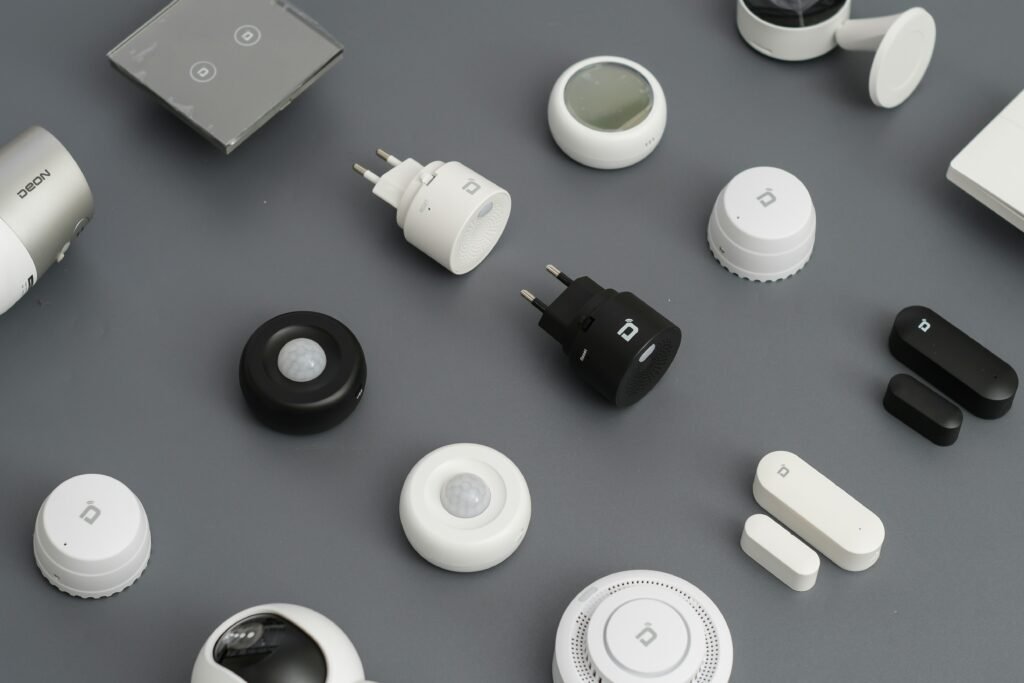
Smart home devices have grown significantly, marking a transformative era in how we interact with technology in our daily lives. This evolution is primarily driven by advancements in internet technology. These advancements have enabled the seamless integration of devices such as security cameras, smart light bulbs, and connected routers into our homes. These gadgets offer a lot of convenience. They provide homeowners with unprecedented control over their living environments, enhancing comfort, efficiency, and safety.
From automated lighting systems that adjust based on occupancy to security cameras that allow real-time surveillance through smartphones, smart home devices have become essential for many. They utilize microchips and specialized networking protocols to communicate efficiently, providing users with an array of functions at their fingertips. As internet speeds have increased, the ability to incorporate multiple devices into the same network has become more feasible. This has led to a rapid rise in smart home technology adoption.
However, while these devices offer significant benefits, they also introduce complexities that can hinder internet performance. The influx of connected devices can create bottlenecks in a home’s network. This happens particularly if the infrastructure does not support numerous simultaneous connections. As households accumulate smart home gadgets, the demands placed on the local internet resource can escalate, potentially leading to slower speeds and reduced performance. Consumers need to recognize that not all smart home products are created equal. Those on a budget may not deliver the seamless experience that companies often advertise. This disparity can result in an overall decline in home internet efficiency. This can prompt a critical examination of the hidden costs associated with budget-friendly smart home technology.
Understanding Bandwidth: What It Is and Why It Matters
Bandwidth is a fundamental concept in the realm of internet connectivity, particularly pertinent to smart homes equipped with multiple devices such as security cameras, light bulbs, and routers. At its core, bandwidth refers to the maximum rate at which data can be transmitted over an internet connection, typically measured in megabits per second (Mbps). This measurement informs users about the potential speed and efficiency with which their data can be exchanged over the network, impacting everything from browsing to streaming services.
The significance of bandwidth cannot be overstated in the context of smart home technology. As homeowners increasingly integrate a myriad of devices onto their network, understanding bandwidth could reveal critical insights about device performance and user experience. For instance, if multiple security cameras are streaming video simultaneously alongside other connected devices, such as smart light bulbs, the demand for bandwidth can lead to congestion. This congestion can create bottlenecks within the network, hindering the ability to perform tasks effortlessly.
Moreover, the performance of various smart home gadgets relies heavily on available bandwidth. Applications that require high-definition video streaming often necessitate substantial bandwidth, which can become a limiting factor if too many devices are being utilized at once. The interaction between devices, the overall network capacity, and the available bandwidth can significantly affect online activities, causing interruptions and delays. Therefore, homeowners should evaluate their network capabilities before integrating numerous smart devices, balancing the desire for connectivity with the practical limitations of their existing infrastructure.
The Role of Cheap Smart Bulbs and Cameras
Smart home devices have gained vast popularity due to their convenience and affordability. However, low-cost options such as smart bulbs and budget security cameras often come with hidden drawbacks, particularly concerning internet performance. These inexpensive gadgets rely on constant communication with the internet to function properly, necessitating a steady stream of data. This reliance can strain your network, leading to noticeable bottlenecks, especially in households with multiple devices.
Smart bulbs, although affordable, typically use older wireless protocols like Zigbee or Wi-Fi. These outdated standards can create connectivity issues, especially when used in a crowded network environment. While these bulbs can often be controlled remotely, their continuous data transmission can consume valuable bandwidth. When many smart bulbs attempt to communicate simultaneously, the network can become overloaded, causing lag in not just the smart bulbs but potentially affecting other connected devices as well.
How security cameras cause your internet to slow down
Similarly, budget security cameras are designed to transmit live footage over the internet. Many of these cameras stream in low resolution to reduce bandwidth usage, but may still require substantial data for continuous operation. This can result in a scenario where a few budget cameras combined with several smart bulbs lead to frustrating slowdowns in network performance. Additionally, the cheaper models may lack efficient microchips that can handle fluctuations in data traffic, further exacerbating the issues of internet congestion.
In the realm of smart home technology, the interaction of various devices with the internet can significantly affect the overall performance of your home network. Smart devices, such as security cameras and smart light bulbs, continuously communicate with the network, leading to unoptimized pings and increased background traffic. When these devices engage in constant data transmission, they generate what is known as ‘network noise.’ This extraneous data can interfere with more critical functionalities, causing delays and disruptions.
Are high performing routers really worth it?
Router systems manage incoming and outgoing data traffic efficiently. However, when budget gadgets are added to this mix, their less sophisticated design often results in inefficient connectivity and higher latency. As a consequence, the router may prioritize non-essential data — such as routine status updates from smart devices — over more urgent data streams, like video feeds from security cameras that require real-time responses. The result can be frustrating for the user, particularly when multiple smart devices are vying for bandwidth at the same time.
Another aspect to consider is the inherent limitations of the microchips that power many inexpensive smart home gadgets. These chips may not support advanced networking protocols, leading to further bottlenecks in communication and data exchange. This is particularly evident during peak usage times, when multiple devices attempt to perform simultaneous operations. Therefore, consumers should be mindful that while smart home devices bring convenience, poorly optimized pings and excessive network traffic can transform a seamless experience into an inefficient and frustrating one.
The Limitations of 2.4GHz Networks
The 2.4GHz frequency band is frequently utilized by budget smart home devices, ranging from security cameras to light bulbs. Although this frequency offers extensive coverage, its limitations may outweigh its benefits, particularly in environments densely populated with smart gadgets. One key drawback of 2.4GHz networks lies in their reduced speed compared to the newer 5GHz bands. This slower speed can hinder the performance of smart devices, which is often the case in a smart home setup.
Congestion is another significant issue associated with 2.4GHz networks. This frequency band can accommodate only a limited number of channels, leading to competition among devices. With numerous routers and smart home devices operating in the same vicinity, interference becomes inevitable. This congestion can cause bottlenecks in internet speed, resulting in frustrating delays and decreased performance when utilizing essential smart home functions, such as streaming video from security cameras or controlling automated light bulbs.
Interference from other household appliances, such as microwaves and cordless phones, further complicates the functionality of 2.4GHz networks. These devices often operate on the same frequency, causing signals to collide and degrade performance. As such, home connectivity can become problematic in environments rich with various smart devices. To mitigate these issues, consider investing in dual-band routers that offer both 2.4GHz and 5GHz capabilities. Alternatively, utilizing wired connections for high-demand devices can significantly improve network reliability and eliminate the interference that often plagues wireless setups.
Identifying Invisible Bottlenecks in Your Network
Recognizing the signs of network slowdown is critical, especially with the proliferation of smart home devices—including security cameras, smart light bulbs, and other internet-connected gadgets. These devices, while convenient, can inadvertently lead to bottlenecks in your home network, affecting performance and usability.
One of the most noticeable symptoms of a sluggish network is lagging video streams. If you find yourself experiencing frequent interruptions or buffering while watching your favorite shows, it could indicate that your smart home devices are overloading your internet connection. Security cameras, in particular, can consume a significant amount of bandwidth, especially if they are constantly streaming video to the cloud.
Another common issue is slow download speeds. When multiple devices, including routers incapable of handling the cumulative load from various smart devices, are active, it can lead to a noticeable dip in overall performance. As the demand for data increases, especially during peak times, new microchips in low-cost gadgets can struggle, resulting in delays that frustrate users.
Additionally, if there is a delay in response time with smart home devices, such as light bulbs not responding promptly to your commands, this can suggest another bottleneck. It is important to understand how each smart device functions within your network; even seemingly minor delays can add up, leading to significant network slowdowns.
To troubleshoot these issues, consider isolating devices by disconnecting them from the network one at a time to identify which ones may be contributing to the bottleneck. If performance issues persist despite these efforts, it may be prudent to consult a professional, who can analyze your network configuration and recommend potential upgrades or optimizations to ensure efficient operation of all your smart home devices.
Solutions: Optimizing Your Smart Home Network
As our homes increasingly fill with smart home devices such as security cameras, smart light bulbs, and intelligent routers, the performance of our internet slows down our network. To ensure a seamless experience when using these devices, you need to optimize your smart home network. Here are several practical tips for improving your home internet performance.
Firstly, consider upgrading your existing devices. Many budget gadgets often operate with older technology incapable of handling higher bandwidths efficiently. Investing in more advanced smart home devices can enhance your overall network performance. Choosing newer routers that support dual-band connectivity, for example, allows you to switch to the 5GHz band. This typically offers faster speeds and less interference compared to the more common 2.4GHz band.
Another efficient method is to implement Quality of Service (QoS) settings in your router. QoS technology prioritizes bandwidth allocation for certain devices and applications. It ensures that critical smart home functionalities receive adequate resources. Households, where multiple devices are competing for network access, can benefit from it. By managing how your network distributes bandwidth, you can mitigate the slowdowns caused by the numerous devices linked to your home internet.
Lastly, regularly updating your device firmware is crucial. Many manufacturers provide updates to enhance device performance and improve security. Keeping devices up to date ensures they have the latest improvements and compatibility with your home network. A consistent update regimen can significantly reduce potential vulnerabilities and performance inconsistencies, providing a more reliable experience for your smart home ecosystem.
The Bigger Picture: Convenience vs. Performance
The allure of smart home devices has become nearly irresistible for consumers seeking convenience and efficiency. Products such as security cameras, smart light bulbs, and advanced routers make daily tasks streamlined and accessible at the touch of a button or through voice commands. However, this convenience often comes at a hidden cost. In particular, one might opt for budget-friendly options that may not fully meet performance expectations.
Cheap smart home devices can act as bottlenecks in your network, leading to reduced internet speed and compromised functionality. When these inexpensive gadgets, often built with inferior microchips, are integrated into a home network, their subpar performance can hinder the operation of more robust, higher-quality devices. The effect delays response times and degrades the overall user experience. Consequently, consumers face a trade-off: the low initial investment of low-end smart devices versus their potential long-term performance detriments.
Furthermore, as homes have a multitude of interconnected devices, users need to consider the stability of their network. High-performance routers can support numerous connections simultaneously. However, they may struggle against lower-quality, inefficient gadgets. This situation raises important questions about the future consumption of smart technology. Are consumers willing to prioritize short-term savings over long-term reliability? As our dependence on the internet grows, will users heed the lessons learned from their experiences with cheap devices? Or will they continue down a path of convenience at the expense of performance?
Conclusion: Making Informed Choices for a Smart Home
As we navigate the evolving landscape of smart home technology, it becomes increasingly evident that while budget gadgets may appear tempting, they can inadvertently hinder the performance of our networks. The integration of multiple devices, particularly low-cost security cameras, light bulbs, and routers, can create bottlenecks that degrade internet speed and reliability. These performance issues affect the responsiveness of smart home systems. However, they can also compromise the functionality of essential devices.
Given the complexity of home networks and the reliance on microchips within these devices, consumers must discern their choices. Poorly designed or outdated gadgets can lead to a ripple effect. They limit the effectiveness of your smart home ecosystem. Understanding the specifications, compatibility, and potential limitations of each device can ensure a seamless smart environment.
Moreover, investment in higher-quality devices often pays dividends in improved performance and longevity. Opting for products that prioritize security and efficient technology will not only enhance user experience but also safeguard your network against vulnerabilities. When you optimize every smart home component from internet infrastructure to smart appliances, you can enjoy a truly integrated and efficient system.
In conclusion, consumers should approach the smart home market with a critical eye. They should weigh the initial cost against potential long-term impacts on network performance. By making informed choices, individuals can enjoy the full benefits of their smart home technologies. So that they don’t have to suffer from unnecessary slowdowns or security risks.