
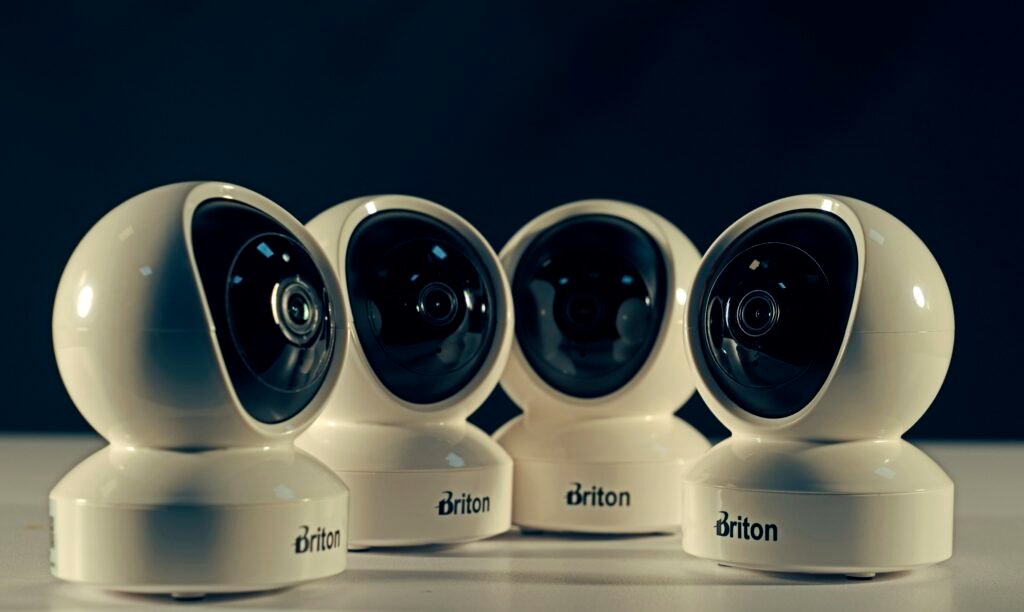
The Rise of Smart Cameras in Surveillance
In recent years, the adoption of smart cameras in the surveillance industry has experienced a significant surge. This increase can be attributed to several factors impacting both the individual and commercial sectors. One of the primary driving forces behind this trend is the heightened awareness and concern regarding security. As incidents of crime continue to rise, individuals and businesses are increasingly seeking effective solutions for crime prevention. Smart cameras are positioned as a crucial component of modern security measures, providing enhanced safety and peace of mind.
Technological advancements play a pivotal role in the growing popularity of these devices. Innovations in computer science have led to the development of sophisticated technology. Consequently, smart cameras can do much more than traditional surveillance systems. With features such as high-definition video, real-time alerts, and remote accessibility, they are fundamentally transforming the landscape of home and business security. Furthermore, the integration of artificial intelligence enables these cameras to distinguish between ordinary activities and potential threats. This reduces false alarms and enhances overall efficacy.
Examples of smart camera implementations can be observed across various environments. In residential settings, families are installing wireless cameras to monitor their properties and receive instant notifications when unusual activity is detected. Commercial properties, too, are increasingly utilizing these technologies for comprehensive security solutions. Additionally, they use smart cameras for monitoring employee safety and safeguarding valuable assets. As a result, smart cameras are becoming an integral part of the business security landscape.
Ultimately, as the need for improved surveillance solutions becomes more pronounced, the rise of smart cameras exemplifies a crucial shift in technology. Their ability to enhance smart home security and provide effective oversight through advanced surveillance systems signifies a promising future for safety and security. This future is driven by innovation and the latest technology.
Key Features and Capabilities of Smart Cameras
Smart cameras are revolutionizing the landscape of security and surveillance, making them an essential component of modern smart home security setups. One of the most significant advantages of these devices is their high-definition video quality. This quality captures clear and detailed footage. This enhanced clarity can be pivotal during incidents requiring security footage for crime prevention or investigative purposes.
Motion detection technology adds another layer of effectiveness to smart cameras. Equipped with advanced sensors, these devices can detect movement in their designated areas, triggering alerts sent directly to users’ smartphones. This real-time notification feature enhances both responsiveness and situational awareness. Therefore, it allows homeowners or business operators to address potential security concerns promptly.
Night vision capabilities provide additional confidence in a surveillance system’s effectiveness. Many smart cameras utilize infrared technology, enabling them to capture clear images in low-light conditions. This extends their usability around the clock. This feature is critical for those prioritizing comprehensive monitoring of their premises.
Another key aspect of smart cameras is their cloud storage options. Users can save footage remotely, mitigating the risks associated with localized storage, such as theft or damage. This flexibility allows for easier access to recorded footage from any internet-enabled device. As a result, it enhances the overall functionality of the security system.
Artificial intelligence (AI) and machine learning are also integral to the capabilities of smart cameras. These technologies enable smart cameras to learn from patterns and differentiate between ordinary activities and suspicious behavior. Therefore, they reduce false alarms. For instance, modern smart cameras can use AI to analyze images and recognize faces. It enhances security and also streamlines the monitoring process.
In conclusion, the advanced features of smart cameras represent a significant improvement over traditional surveillance systems.
Limitations and Concerns Surrounding Smart Cameras
Smart cameras have revolutionized the landscape of security and surveillance systems. They offer innovative solutions for crime prevention and enhanced monitoring. However, these advancements come with several limitations and concerns that should not be overlooked. One significant issue is privacy. The deployment of wireless cameras in public or semi-public spaces raises questions about the extent to which individuals are monitored and the implications for personal privacy. Citizens often express unease regarding being recorded without consent. This highlights the ethical considerations surrounding the implementation of smart home security measures.
Another critical concern is the vulnerability of smart cameras to hacking and cyber threats. Cybersecurity risks associated with smart technology necessitate robust protective measures, as unauthorized access to surveillance footage can lead to severe consequences. Computer science experts indicate that insufficient encryption and outdated firmware can exacerbate these vulnerabilities.
Additionally, the risk of misuse of surveillance footage poses significant challenges. The potential for personal data collected by these cameras to be exploited or misappropriated not only jeopardizes individual privacy but can also endanger communities at large. There are ongoing debates regarding the appropriate regulations and policies that should govern the handling of surveillance data. Balancing effective crime prevention strategies with the necessity of protecting civil liberties is a complex issue.
The Future of Surveillance: What Smart Cameras Mean for Us
Smart cameras provide not only enhanced security features but also integrate seamlessly into the concept of smart home security systems. The advent of artificial intelligence (AI) within these devices allows for real-time monitoring, facial recognition, and anomaly detection. This contributes substantially to crime prevention surveillance and individual safety.
Current trends in surveillance technology indicate that future smart cameras will likely offer unprecedented capabilities. For instance, improvements in wireless cameras are paving the way for higher resolution images, expanded fields of view, and longer-lasting battery life. Businesses can expect smarter analytics. It will enable them to derive actionable insights from footage captured, which can be crucial for enhancing operational security and customer trust.
Moreover, the integration of cybersecurity measures into smart cameras is paramount, as the threat to data integrity remains a critical concern. As more individuals embrace these devices within their homes and workplaces, the demand for robust protection against potential breaches will rise. Continuous advancements in computer science will play a vital role in safeguarding these systems. Consequently, this ensures that personal data remains confidential while still harnessing the benefits of surveillance technologies.
Smart cameras shape public perceptions of surveillance, transforming it into a tool for transparency and accountability. As society adapts to the ubiquity of smart home security technologies, understanding their implications becomes essential. In conclusion, the trajectory of smart camera innovations promises a future where security is proactive, sophisticated, and integral to urban living.
RELATED ARTICLES:
- Why Cybersecurity Skills Matter: Learn, Protect, and Stay Ahead during Cybersecurity Month
- AI Cybersecurity Jobs: What You Need to Know
- AI in Home Security in 2026: Next Level Protection
- Top-Rated Wireless Indoor Cameras for Home Security
- Satellite Tracking and Its Impact on Privacy
- Voice Cloning and Its Impact on Technology Today
- Wi-Fi Security: Protect Your Home Network