

Introduction: The Canary in the Coal Mine
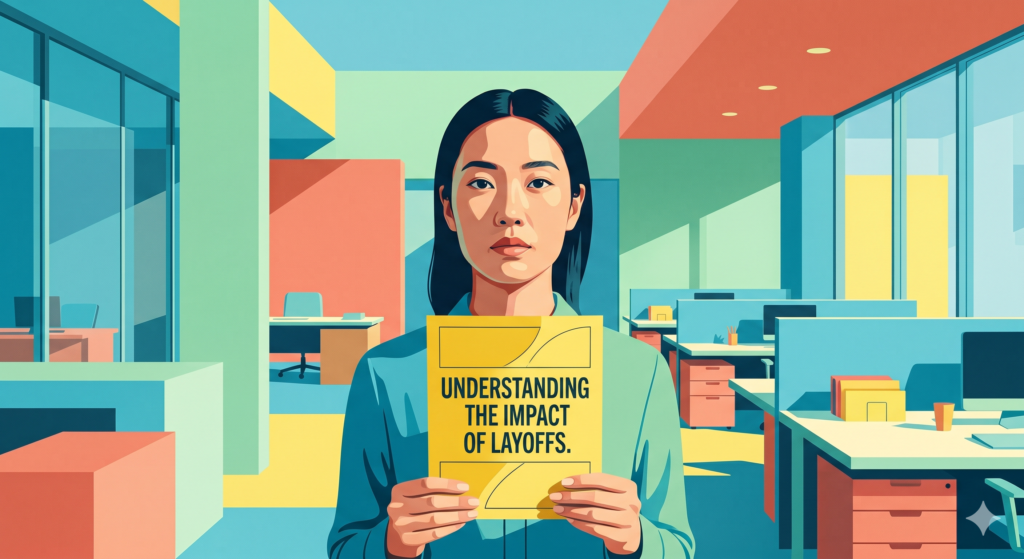
The tech sector has experienced an alarming wave of job losses, amounting to approximately 92,000 positions. This massive displacement of workers serves as a stark indicator of shifting dynamics within the labour market. In fact, AI job displacement is increasingly becoming a critical factor. The nature of these current layoffs suggests a profound transformation influenced by advancements in artificial intelligence.
This surge in layoffs can be attributed, in part, to accelerating automation trends in 2026. The integration of artificial intelligence into various operational frameworks is redefining job roles and demanding new skills from the workforce. Consequently, traditional roles may become obsolete. This has led to an increase in structural unemployment among those unable to adapt to the rapid changes. This environment creates challenges that extend far beyond individual companies. It signals potential labour market disruptions that could impact the economy on a larger scale.
Many experts suggest that these layoffs are the future of work. In this context, it is crucial to distinguish between ordinary layoffs and those driven by the rise of AI technology. The latter imparts unique risks, often categorized as generative AI risks, as companies re-evaluate their workforce strategies in light of evolving technology. As such, organizations need to invest in re-skilling for AI to equip employees with the necessary tools to remain relevant in an increasingly automated environment.
In this blog post, we will explore the relationship between job displacement in the tech sector. We will also explore the wider AI economic impact, shedding light on how these factors together shape the landscape of work in contemporary society.
Understanding Job Losses in the Tech Industry and how AI Job Displacement causes them
The notion of job losses in the tech sector has evolved significantly over the past few decades. Historical trends indicate that traditional tech layoffs often occur as part of cyclic fluctuations in the market. Factors contributing to these layoffs usually include company restructuring, budget cuts, or shifts in consumer demand. For example, during the dot-com bubble burst in the early 2000s, many firms faced substantial losses. This resulted in widespread job cuts. Such events were primarily driven by overestimations of growth and profitability, alongside the inherent volatility of tech investments.
In contrast, the recent wave of layoffs has been distinctly associated with the rapid advancements in artificial intelligence and automation. The driving force behind this phenomenon is the ability of AI technologies to optimize workflows. Therefore, they minimize the need for human intervention in various tasks. This difference represents a significant shift in the employment landscape.
The Threat of AI Job Displacement
AI-driven job displacement poses a unique threat as it can lead to structural unemployment. Entire roles become obsolete due to automation. Unlike traditional layoffs that might allow for industry rebounds and potential re-employment, job losses due to AI advancements may not be as easily reversed. The challenge is robust. While technology has historically generated new roles, the pace of AI integration could outstrip the labour market’s ability to adapt. This transition calls for urgent attention to re-skilling for AI advancements in 2026.
As companies increasingly invest in generative AI and automated solutions, the implications for the labour market disrupt not only job security but also the nature of employment itself. Understanding these differences between traditional layoffs and AI-driven job reductions is key for stakeholders.
Understanding the Shift: From Augmentation to Replacement
The evolution of artificial intelligence (AI) has prompted significant changes in the landscape of employment. In particular, we see it in the tech sector. Initially, AI helped its users complete tasks. ,However, now it could take over large portions of production. In fact, current trends indicate a pivotal shift toward AI’s role as a replacement for numerous job functions. This transition raises critical concerns regarding automation trends expected to emerge by the end 2026.
The Integration of AI in workplace and how it favoured AI job displacement
The growing integration of AI into various industries is not merely a matter of increasing efficiency. It has fundamentally reshaped the labour market and altered job requirements across sectors. For instance, as machine learning algorithms become increasingly capable of performing complex tasks, some companies will lay off their employees. The implications of this automation could lead to structural unemployment. This is a phenomenon characterized by a mismatch between the skills available in the workforce and those required by employers in an AI-driven economy.
Moreover, the impact of AI on the workforce extends beyond mere job loss; the nature of work itself is transforming. As generative AI technologies advance, the potential for human tasks to be completely automated also increases. This puts pressure on employees to adapt and reskill, leading to growing discussions around the necessity for reskilling for AI. The disparities created by these advancements will likely require significant efforts from organizations and governments to mitigate labor market disruption and address the subsequent economic impact on affected populations.
The ongoing tech layoffs serve as a clear indicator of this shift, as companies streamline operations and prioritize AI integration. This phenomenon underscores the urgency for both businesses and workers to understand the broader consequences of an AI-driven economy and to prepare for a future where adaptability and continuous learning become paramount. As we observe these changes unfold, it is essential to consider the balance between leveraging AI for enhanced capabilities while safeguarding workforce interests in this evolving landscape.
Customer Service: The Sector Hit Hardest
As artificial intelligence continues to evolve, it has affected customer service the most. This sector has seen a lot of transformation, with a marked shift toward efficiency and cost reduction. Chatbots and automated response systems allow organizations to manage customer inquiries and concerns with minimal human intervention. While these technologies streamline operations and enhance response times, they concurrently contribute to job displacement.
Simple inquiries like password resets or product tier questions, which once had live agents, now use AI-powered systems. This trend showcases the broader labour market disruption, where businesses prioritize reducing operational costs over maintaining workforce levels.
Moreover, the generative AI increases even more the risk of job displacement in this sector. As organizations increasingly rely on AI-driven solutions, they face the challenge of ensuring quality interactions. They also have to deal with the potential for errors in automated responses. This situation can inadvertently lead to structural unemployment, as workers with customer service skills face diminished job opportunities in a technology-driven landscape.
Looking towards the future of work, the impact of AI on the workforce is undeniable. Companies must weigh the benefits of automation against the socio-economic ramifications of tech layoffs and the need for reskilling for AI. As the marketplace adapts to the ever-present economic impact of AI, a thoughtful approach is necessary to reconcile technological advancement with the welfare of those displaced by it. In conclusion, customer service serves as a stark illustration of how AI technologies can reshape entire sectors, prompting crucial discussions about the balance between innovation and human employment.
Case Studies: Companies Leading AI Integration
As artificial intelligence continues to transform industries, many companies embrace AI technologies, often at the cost of their workforce. This section explores case studies of both large corporations and startups that have significantly integrated AI into their operations. It illustrates the broader implications for the tech sector and the workforce.
Case Studies for AI Job Displacement
One prominent example is IBM, a company widely recognized for its commitment to AI development. IBM has adopted AI to streamline operations across various business units. As a result, many employees lost their positions. This led to a shift in the labour market within the company. Employees have reported experiencing labour market disruption, with some opting for re-skilling for AI-related roles.
Similarly, Amazon has utilized AI to optimize its supply chain logistics and enhance customer experience through automation. The integration of AI tools resulted in the elimination of various job roles, particularly in warehousing and distribution. Through the launch of various automation trends leading up to 2026, the company has increased efficiency. However, it came at the cost of a reduction in its labour force. This contributes to structured unemployment in certain sectors.
On a different scale, a startup like UiPath has developed software focused on robotic process automation (RPA). By enabling businesses to automate repetitive tasks, UiPath has demonstrated the generative AI risks associated with rapid technological advancements. While boosting productivity for clients, the resultant job losses have raised concerns about the long-term AI economic impact.
We can see that the integration of AI across various business models leads to profound changes in workforce dynamics and operational strategies. As companies move forward in leveraging AI, we need to understand the associated risks and benefits.
The Economic Implications of Job Losses in Tech
The recent wave of job losses in the tech sector, totalling approximately 92,000 positions, has significant economic implications that ripple through various facets of the economy. One immediate effect of such substantial layoffs is the decrease in consumer spending. As these employees experience job displacement, their purchasing power diminishes, which in turn can lead to reduced sales for local businesses and impact economic growth. This scenario emphasizes the critical link between employment levels and consumer behaviour, underscoring how ai job displacement not only affects individuals but also has broader economic ramifications.
The labor market’s response to advancements in artificial intelligence is also a pressing concern. As automation trends for 2026 become increasingly pronounced, there is a noticeable shift in the types of skills required by employers. The demand for technology-driven skills is rising, while routine manual jobs are declining, leading to potential structural unemployment where workers may find it challenging to transition into emerging roles that leverage new technologies. This phenomenon is compounded by the need for reskilling for AI, as existing employees must adapt to new tools and systems to remain relevant within the evolving job landscape.
Moreover, the layoffs accompanying the automation of job functions raise a critical question: Can new job opportunities arise from the ashes of job losses? While some industries face significant disruptions due to labor market disruption, others may see innovative roles created through technological advancements. However, these new positions may demand different skill sets than those of the displaced workers, creating a gap that needs to be addressed through targeted workforce development strategies. Addressing these economic implications calls for a collaborative effort between governments, educational institutions, and the tech industry to foster an adaptable workforce ready to meet the changing demands of the future of work.
Potential Solutions and Future Perspectives
The integration of artificial intelligence (AI) into various sectors has sparked considerable debate regarding its implications for employment, particularly across the tech industry. While automation trends for 2026 indicate a significant shift in job roles, it is crucial to explore effective solutions that can alleviate potential disruptions in the labor market. One promising approach involves developing robust reskilling programs that equip the workforce with the necessary skills to adapt to evolving demands. As AI continues to influence the job landscape, reskilling for AI will be essential in maintaining employability and helping workers transition into new roles that leverage their expertise in tandem with automated systems.
Educational initiatives also play a crucial role in preparing the current and future workforce for the impending changes brought on by AI. By incorporating AI literacy into educational curricula, institutions can ensure that students are better equipped to navigate the complexities of a tech-centric world. Such initiatives will not only help foster innovation but also alleviate risks associated with generative AI, enabling individuals to understand and mitigate technological challenges.
Moreover, policies encouraging tech companies to find a balance between AI integration and workforce preservation are essential in addressing the structural unemployment that may arise from unregulated AI deployment. Governments can incentivize organizations to invest in their workforce by providing tax breaks for companies that implement retraining programs or hire displaced workers. These measures can contribute to fostering an inclusive economic environment that promotes continuous learning. By collectively engaging stakeholders—conglomerates, educational institutions, and government entities—we can navigate the complexities of AI’s impact on employment and work collaboratively to ensure that the economic benefits derived from automation do not come at the cost of widespread job losses.
The Role of Policy Makers in Navigating AI Disruption
The increasing prevalence of artificial intelligence within the tech sector raises significant concerns regarding job displacement and structural unemployment. As automation trends evolve towards 2026, it is crucial for policymakers to take a proactive stance in addressing the implications of this transition. Regulatory measures and support systems for displaced workers must be critically evaluated and implemented to mitigate the adverse effects of labor market disruption caused by the rapid influx of generative AI technologies.
Policy makers have a vital role in ensuring a balanced approach to the future of work. By engaging with the tech industry, they can foster an environment that encourages innovation while simultaneously protecting workers who may be adversely affected by AI job displacement. Strategies might include incentivizing organizations to adopt reskilling programs for their workforce, enabling individuals to adapt to the evolving job landscape shaped by AI and automation. Such programs can equip workers with the necessary skills to meet the demands of an increasingly automated economy.
Furthermore, governments can introduce policies to establish safety nets for those impacted by tech layoffs. This may involve enhanced unemployment benefits, training subsidies, and pathways to new job opportunities. These measures help alleviate the immediate challenges faced by individuals while promoting a culture of continuous learning and adaptability within the workforce. Recognizing the AI economic impact on the labor market is essential, and policymakers must frequently reassess their approaches in response to emerging technological trends, ensuring that their initiatives are relevant and effective.
Collaboration between government entities, educational institutions, and the private sector can yield comprehensive solutions to the challenges posed by job displacement. A forward-thinking policy framework will not only support those affected but will also encourage sustainable economic growth amidst the transformative changes brought by artificial intelligence.
Conclusion: Adapting to an AI Job Displacement in the Future
The rise of artificial intelligence (AI) technologies has reshaped the labour market, leading to significant job displacement, particularly within the tech sector. As automation trends for 2026 unfold, various industries deal with the economic impact of these changes. In this context, the AI workforce has resulted in structural unemployment.
The transformative nature of generative AI technologies introduces both opportunities and risks. Employers are beginning to recognize the need for re-skilling for AI among their existing workforce to align competencies with the future of work. With technology evolving at a rapid pace, workers must adapt by acquiring new relevant skills. This proactive approach helps mitigate labour market disruption and paves the way for sustained employability.
As we analyze the ongoing AI job displacement, we need to understand the future labour market. The potential for growth lies in harnessing AI capabilities while simultaneously addressing the societal challenges that arise from job displacement. Policymakers, educational institutions, and industry leaders need to collaborate on strategies that map out clear pathways for individuals to transition into new roles within this evolving landscape.
Reflecting on the changes ahead, both employees and employers must engage in a proactive dialogue. A focus on adaptability will not only enhance resilience against automation but will also foster a skilled AI workforce. Thus, embracing change and promoting continuous learning is essential for a successful career trajectory in this new era.