
Ethics of AI: Navigating the Future of Technology
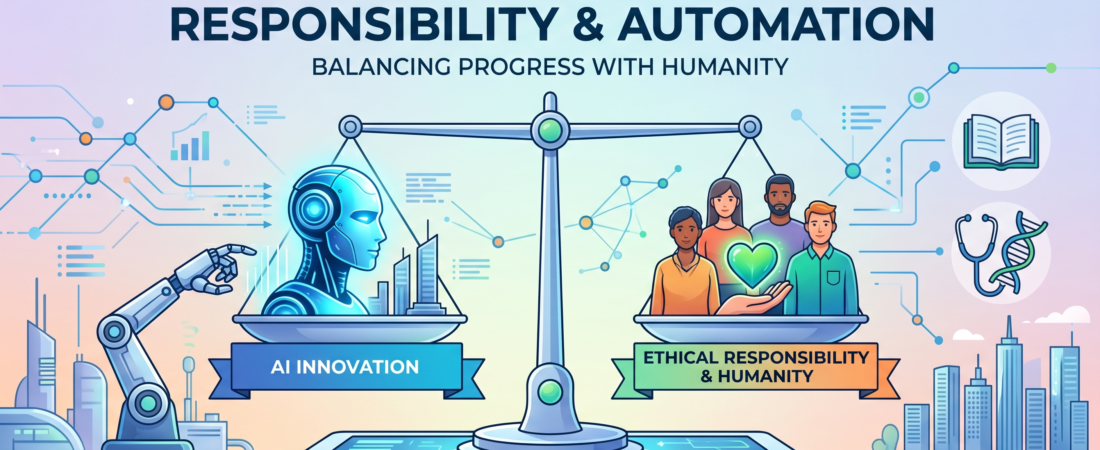
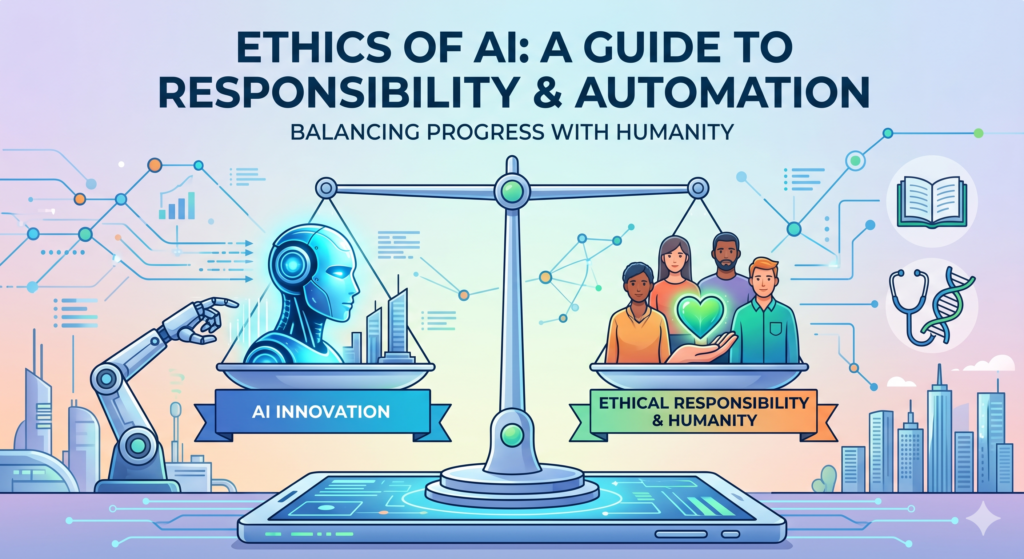
The ethics of AI is rapidly becoming the most critical conversation in our digital age. As algorithms grow smarter, we must actively address the ethical concerns of ai to protect human rights and privacy. This guide will walk you through the most pressing ethical issues of ai today. Whether we are examining the ethical use of ai in education or the life-saving ethics of ai in healthcare, ensuring responsibility in tech affects everyone.
Understanding AI Ethics
To properly define what AI in ethics means, we must look at the moral frameworks that guide machine learning. It is about creating systems that are fair, transparent, and unbiased. Importantly, discussions surrounding ethics and AI often examine how technology can align with society’s values.
Why are ethics important in AI development? Because technology without boundaries can easily cause harm. We need guidelines to ensure AI serves humanity rather than exploiting it. To do this successfully, we must outline the key stakeholders in ethical AI:
- Developers and Engineers: The builders writing the code.
- Business Leaders: The decision-makers funding the projects.
- Policymakers: The government bodies creating legal frameworks.
- Everyday Users: The public who interacts with these tools daily.
Want to learn more about how these models are built? Read our internal guide to machine learning fundamentals.
The Role of Developers in AI Responsibility
Software engineers hold immense power. We must clearly explain the responsibilities of AI development resting on their shoulders. It is not just about writing clean code; it is about writing safe code. In this profession, developers constantly encounter complicated ethics of AI dilemmas as they create new technologies.
We must continuously discuss the impact of developers’ choices on society. If a developer uses biased data, the resulting software will discriminate. To illustrate this, let’s provide examples of responsible vs. irresponsible AI developments:
- Responsible AI: A hiring algorithm routinely audited by a diverse team to ensure it does not favor specific genders or races.
- Irresponsible AI: A facial recognition tool deployed to law enforcement without being tested on diverse skin tones, leading to false arrests.
Societal Impact of Automation
The rise of machines fundamentally changes how we work. It is crucial to analyze how AI and automation affect various industries, from manufacturing to creative arts. As we examine these changes, the conversation frequently centers around AI’s influence and how ethics shape our collective future.
When we discuss the short-term vs long-term implications for jobs and society, the picture is complex. In the short term, automation displaces routine jobs. However, in the long term, history shows that technological shifts create entirely new industries and career paths.
Let’s highlight case studies or real-world examples to see this in action:
- Medicine: The ethics of ai in healthcare involves training algorithms to spot tumors on X-rays. While AI is faster, a human doctor must deliver the diagnosis to maintain empathy and accountability.
- Learning: The ethical use of ai in education revolves around personalized tutoring. Schools can use AI to help struggling students, provided they heavily safeguard children’s data privacy.
For more insights on global tech shifts, check out reports by the World Economic Forum.
Balancing Innovation with Ethical Considerations
Progress moves fast, but safety requires patience. We must actively discuss the tensions between innovation and ethical practices. Startups often want to rush products to market, while ethicists warn against moving fast and breaking things. Considering the ethics of how AI is used should be central to this discussion.
To bridge this gap, we can present strategies for integrating ethics into AI development. Companies should build ethics boards, conduct bias audits, and mandate ethics training for all engineers. In these ways, companies recognize that AI’s power must always be held to ethical standards.
Finally, we must highlight the importance of public discourse in shaping AI ethics. Big tech companies should not make these decisions in secret. Transparent, public conversations are the only way to build an equitable digital future.
Read today’s conversation on the Ethics of AI and share your thoughts on the future of automation (not affiliated).
Related articles:
- AI Job Displacement You Need to Know
- Instagram has removed End-to-End Encryption: What You Need to Know
- Olivetti Computer Conspiracy: The Digital Cold War’s Greatest Enigma
- The Ultimate Guide to Detecting LSASS Dumping with KQL (Sentinel Threat Hunting)
- Hunting Autonomous Threats: Defending Cloud Infrastructure Against Agentic AI
- How AI Weaponizes Your Digital Identity: Public, Sensitive, and Confidential Data